
Become the Local Expert that Real Estate Consumers Find and Trust
Insights
| 15 Apr 2026
Most MLS and PropTech teams can tell you exactly what they pay for location data. Very few can tell you what it costs to maintain it. That gap is where the real expense lives. And it shows up in engineering hours, not on a vendor invoice.
The hidden cost of a fragmented data stack is not the licensing fee. It is the normalization work that happens behind the scenes every time two vendors use different field names for the same concept. It is the sprint capacity absorbed by schema updates, authentication flows, and refresh cadences that exist only because the data never came from one place. These costs are real and they compound over time. Yet, almost no one is tracking them.
For MLSs and PropTech platforms, fragmented data has been the default for years, where you’ll have one vendor for walkability scores, another for demographic data, and yet another for points of interest. Each integration made sense in isolation. But the compound cost of running all of them together is what most teams underestimate, and what no vendor quotes you upon signing.
A practical example of data consolidation is how myAbode replaced multiple vendor relationships with Local Logic’s all-in-one neighborhood data solution, and freed up valuable resources that would have otherwise been used for manually sourcing and maintaining their data.
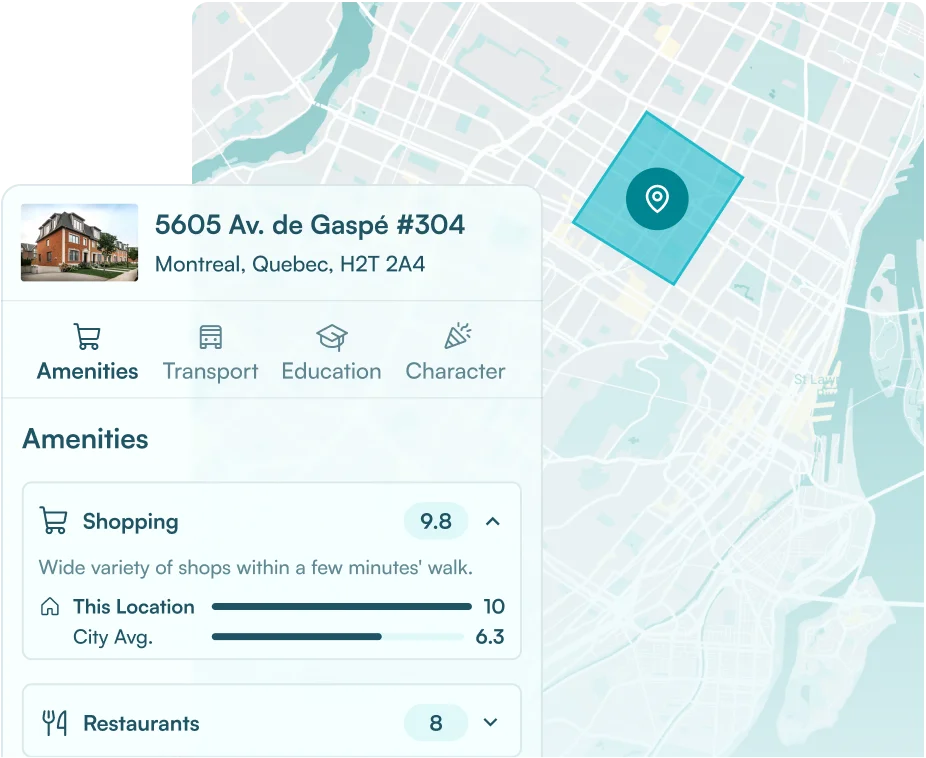
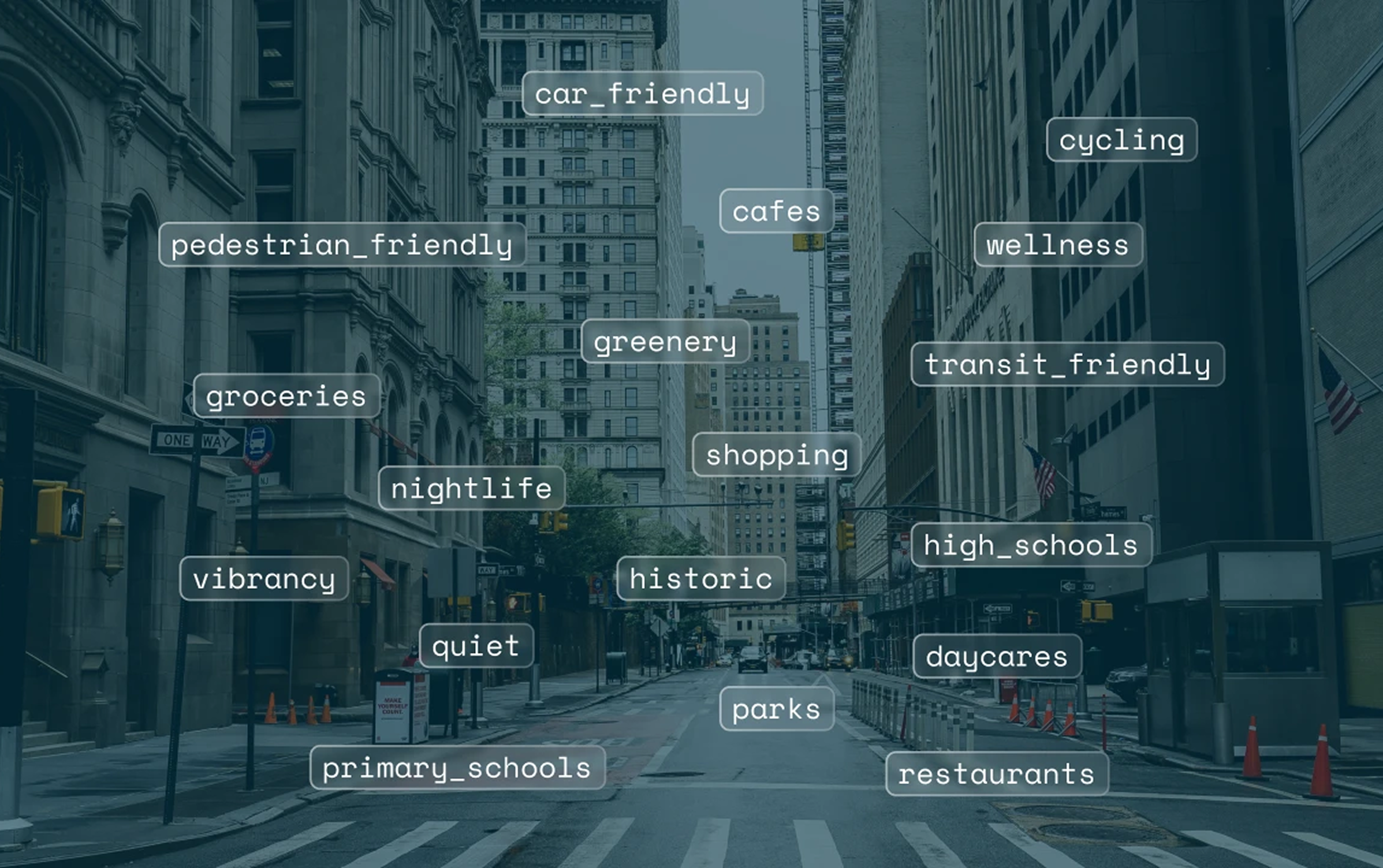
Local Logic gives you access to a wide suite of APIs, including Points of Interest, Demographics, Location Scores, Schools, Market Stats, and Climate Risk, from one single place. Each of these APIs are structured, schema-consistent, and queryable the same way. There is no normalization work across sources, no divergent refresh cadences to reconcile, and no additional authentication flows to maintain. Instead, getting data from the same source helps platforms reduce the vendor count in their data stack and replace a fragmented system with a streamlined, accurate, and easily maintained solution.
Heading into RESO Spring Conference 2026, conversations will go beyond individual data types. We need be considering what a modern, consolidated data stack looks like, which vendors can deliver it, and what it costs your team to keep living with one that can’t.
Engineering hours spent on fragmentation don’t disappear when you switch vendors. They disappear when you stop needing to bridge between them. For MLS systems and PropTech platforms that have spent years absorbing that tax by normalizing schemas, managing refresh cadences, maintaining authentication flows across multiple contracts, the solution is data consolidation. When you use one vendor for all the datasets you need, you get consistent schema and documented refresh cadences across every data type.
That’s the conversation Local Logic is bringing to San Antonio. If you’re evaluating data infrastructure or want to see what a consolidated data stack looks like in practice, Jeremy Jarrell, Principal Product Manager at Local Logic, will be there on April 20-22, 2026.
Book a meeting with Jeremy Jarrell, Principal Product Manager at Local Logic, at RESO Spring Conference 2026