Local Logic and Elm Street Bring Neighborhood Insights to IDX Broker Agent Websites
Partnerships
| 06 Oct 2026
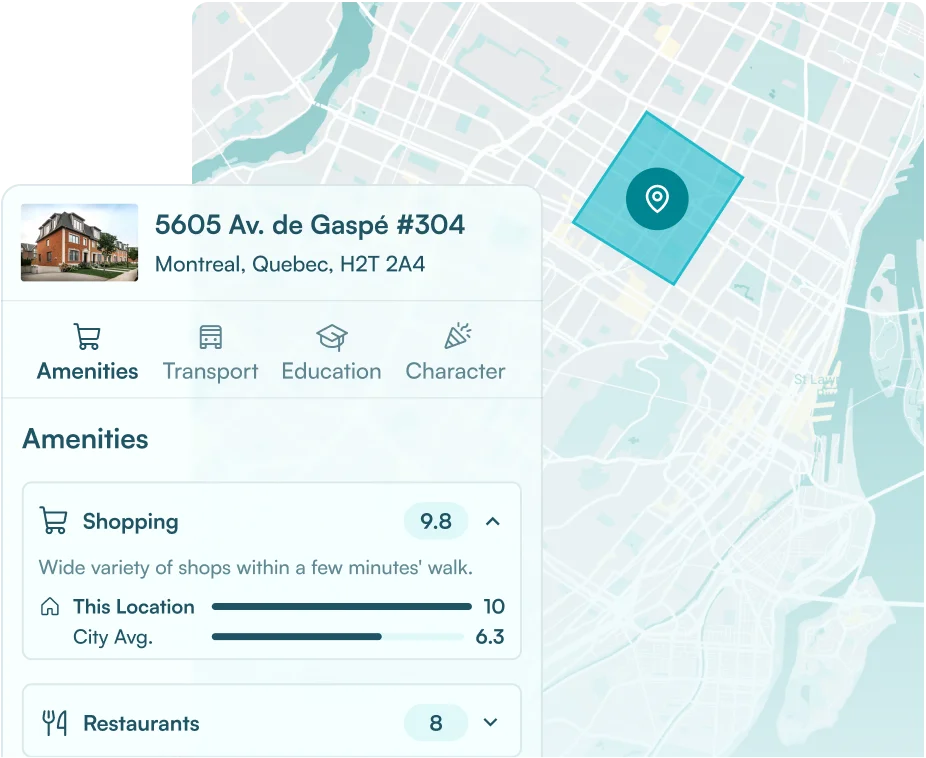
The grocery store you can walk to. The café around the corner. The restaurants a few minutes from your door. These are the details that decide whether a place fits your life, and they are exactly what most real estate sites leave out. We just refreshed the scores that capture them across the United States and Canada.
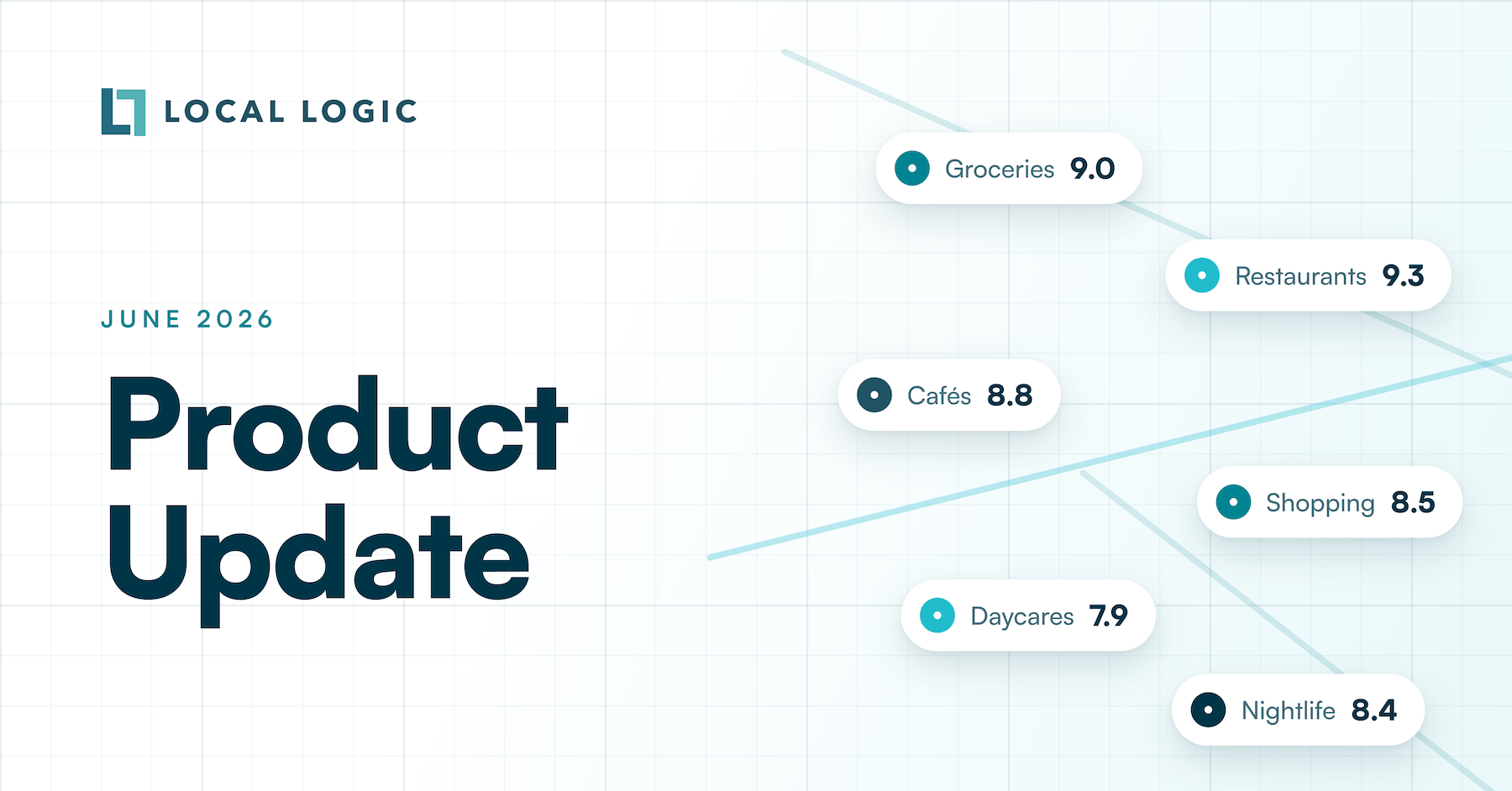
This update covers six amenity scores: Groceries, Cafés, Restaurants, Shopping, Daycares, and Nightlife. They now run on fresher data, more granular precision, and broader coverage, calculated for more than 250 million addresses across North America. That works out to 1.5 billion new score data points now live across our platform.
Here’s what’s new:
We refreshed all six amenity Location Scores for every address in the US and Canada. The scores measure how much of everyday life is within reach of a given location, and this release makes that measure more current and more precise than ever.
The refresh reaches the whole footprint at once. Whether a location sits in downtown Toronto or a quiet stretch of rural Louisiana, its grocery, café, restaurant, shopping, daycare, and nightlife scores now reflect what is actually around it today.
The new scores are built on current points of interest and the 2026 street network, so they account for the places and roads that exist now, including streets developed in the last few years.
Routing is sharper too. The calculations now handle highways, rivers, and forests with more care, so a score reflects how a person would really travel to a place rather than a straight line across a map. A café on the far side of a river is scored by the route someone would actually walk or drive, not the distance as the crow flies. The result is a score that lines up more closely with lived experience.
Two improvements make the new scores easier to act on: finer resolution at the top of the scale, and descriptions that match how people in the US and Canada actually move through their day.
At the high end, the scores now carry more detail. Two neighborhoods that both look excellent can finally be told apart, so a dense, highly walkable area reads a little differently from one that is merely very good. For teams comparing locations or ranking results, that added definition matters.
We also realigned the language behind each score so it reflects real travel habits. A score now distinguishes clearly between what is within a few minutes’ walk and what is a short drive away, which is how most home consumers think about access in the first place. And coverage is broader: even in rural areas, an address returns a score that reflects its real access to amenities, so more of the map tells a complete story.
The new amenity scores are live now across the product suite: the Location Scores API, the Local Content SDK, and Neighborhood Reports. Any listing and neighborhood experiences built on these scores are already drawing on the refreshed data.
This release focused on amenities, the scores most shaped by the places around a location. Neighborhood-level amenity scores are being recalculated from these new values and will follow in the coming weeks.
Fresh data is only useful if it keeps coming. This update runs on a refresh process designed to bring amenity scores up to date on a regular basis, so the places people can reach are reflected as cities grow and change. Expect the scores to keep getting more current over time.
The bigger picture
Location is the part of a home decision that shapes daily life the most, and amenities are where that shows up first. A fresher, sharper read on what is around an address means the people exploring it can see, more clearly than before, what living there would actually feel like.
See what the refreshed amenity scores look like on your own listings and pages: book a demo.
Amenity scores measure how much of everyday life is within reach of a specific location, covering Groceries, Cafés, Restaurants, Shopping, Daycares, and Nightlife. Each score reflects the variety and proximity of those places, calculated from points of interest and real travel routes rather than straight-line distance.
Six scores were refreshed across the United States and Canada: Groceries, Cafés, Restaurants, Shopping, Daycares, and Nightlife. They were recalculated for more than 250 million addresses, adding 1.5 billion new score data points.
The scores are built on current points of interest and the 2026 street network. Routing now accounts for highways, rivers, forests, and recently developed streets, so each score reflects how someone would actually reach a place.
The scores now carry finer resolution at the top of the scale, which lets users distinguish between two locations that previously looked the same. The score descriptions were also realigned to separate what is within a short walk from what is a short drive away.
The refreshed scores are live in the Location Scores API, the Local Content SDK, and Neighborhood Reports. Neighborhood-level amenity scores recalculated from these values will follow in the coming weeks.
This update runs on a process built to refresh amenity scores on a regular basis, so they stay current as neighborhoods change. More frequent updates are planned going forward.